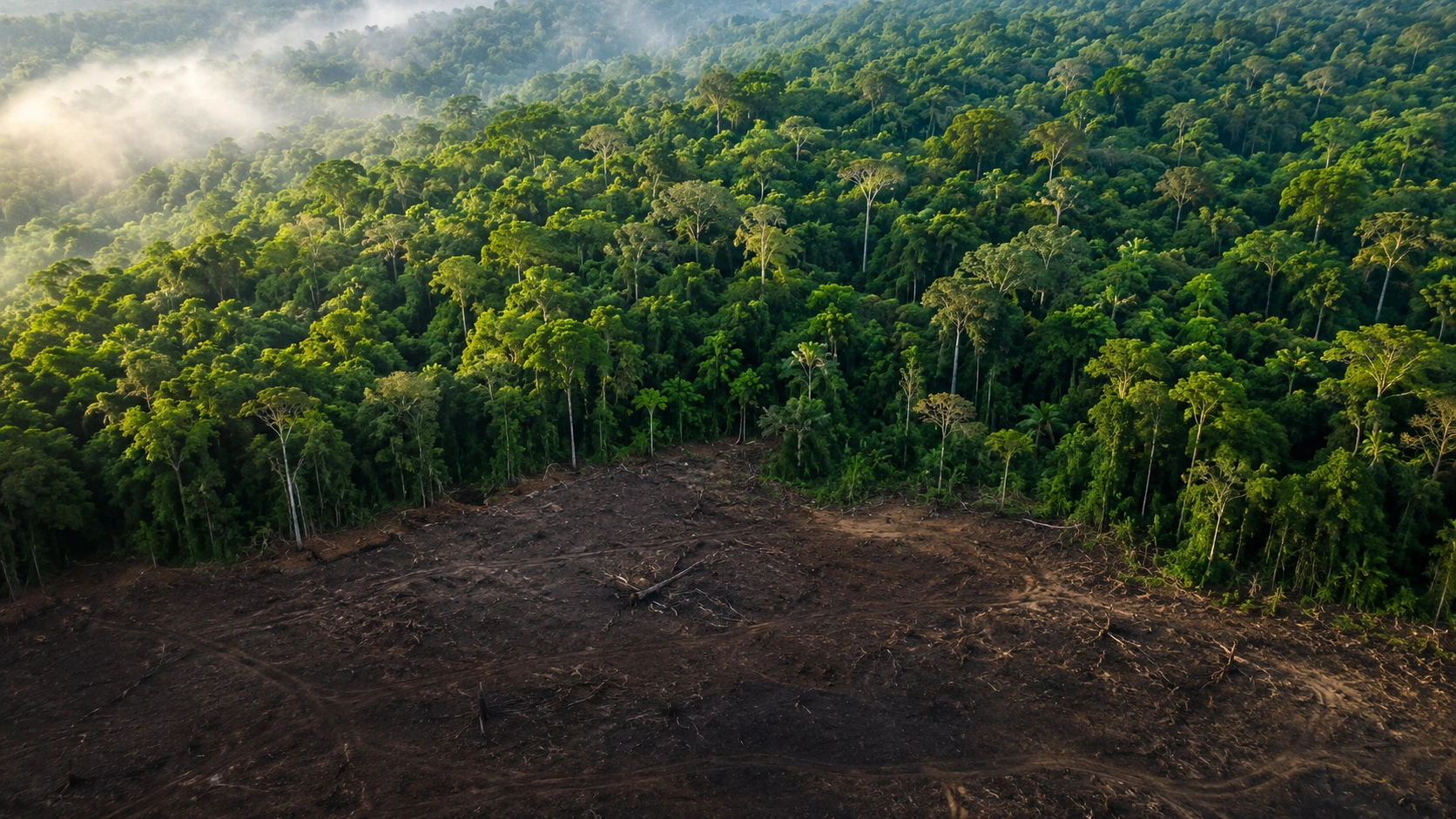
Between August 2025 and July 2026, Brazil's Amazon lost 3,335 km² of forest. That is 41.8% less than the year before and the lowest figure since satellite tracking began in 1988. Brazil's Environment Ministry released the data on October 16, based on its PRODES satellite monitoring system.
Is that a lot or a little?
3,335 km² is roughly the size of 467,000 soccer fields. That sounds huge until you look back. In 2004 Brazil lost 27,772 km² in a single year, more than eight times as much. In 2025 it lost 5,731 km².
Three states lost the most forest: Pará (1,130 km²), Mato Grosso (849 km²) and Amazonas (525 km²). In the neighboring Cerrado savanna, clearing also hit a record low since tracking started in 2001: 5,517 km², down 23.8%. The Cerrado now loses more land each year than the Amazon itself.
How it's measured
PRODES compares satellite images every year and marks areas where forest has disappeared completely. It only counts patches larger than 6.25 hectares, about nine soccer fields. This is Brazil's official annual figure, separate from the monthly satellite alerts that make headlines in between.
A sharp drop has happened before. From 2004 to 2012, deforestation fell 84%, to 4,571 km². Researchers writing in Nature Ecology & Evolution credited a national anti-deforestation plan, protected areas and soy and beef moratoria by big buyers. The curve then turned back up and kept rising into the early 2020s.
Why it's too early to celebrate
Euronews points to three risks. A strong El Niño (a warming of the Pacific that brings drought to the Amazon) could fuel more fires in 2026 and 2027. Fire counts have tripled since October 4, and authorities are checking whether some were set on purpose. And Brazil holds a presidential runoff on October 25; experts quoted by the outlet warn the result will decide whether current forest protection continues.
What it means for you
The Amazon is the world's largest tropical forest, and how much carbon dioxide it pulls from the air shapes the climate everywhere. Brazil shows that deforestation can be cut sharply within a few years when it's tracked from space and enforced on the ground. It also shows how quickly it can come back.
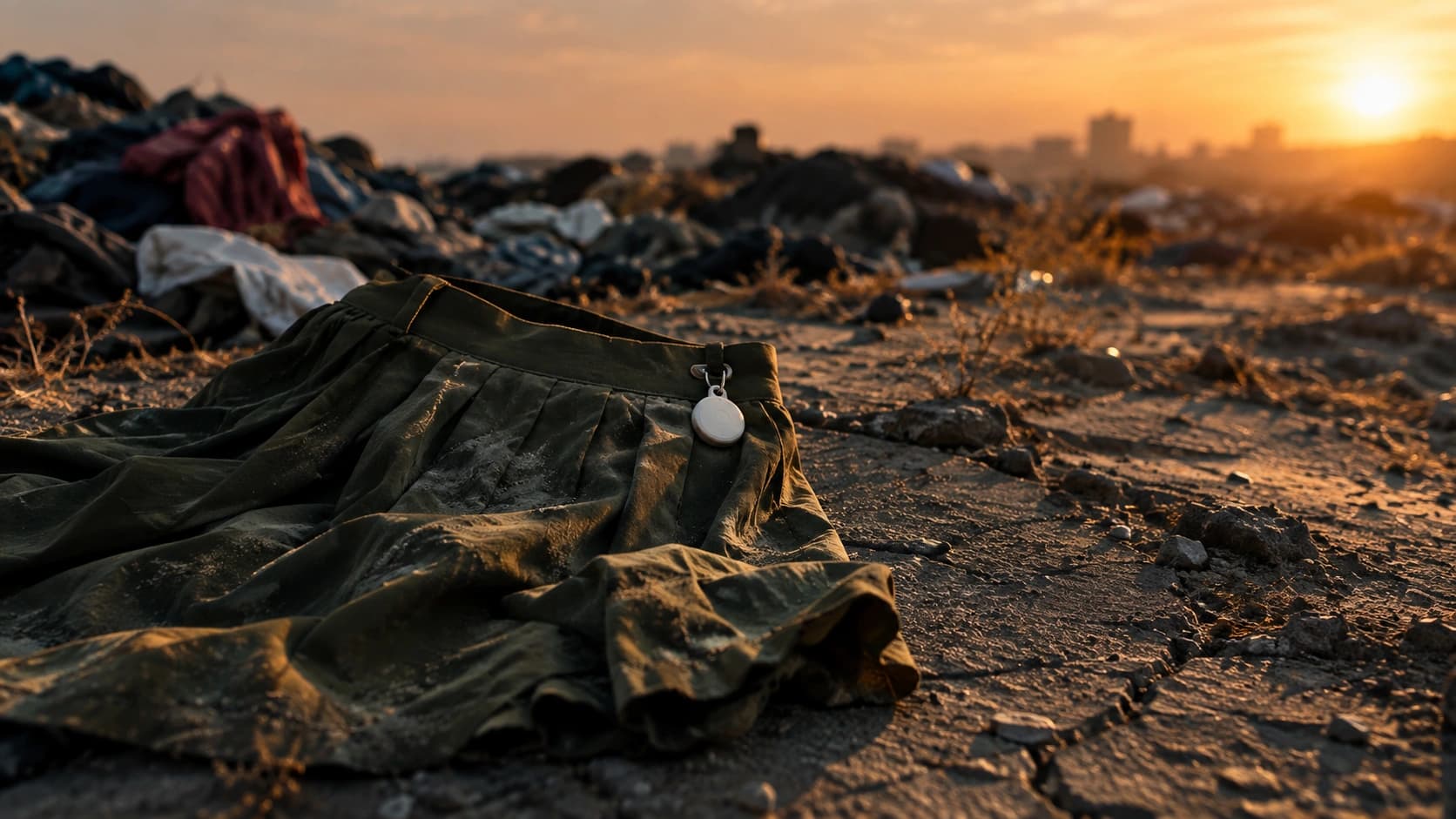
Curious how everyday habits connect to nature far away? Read our investigation into where donated clothes really go.